
Understanding Marketing Campaign Objectives: A Comprehensive Guide
A campaign objective is the specific, measurable result a marketing campaign is designed to achieve. Unlike broad business goals (“grow brand visibility”), objectives are precise targets you can plan for, measure, and optimize against. They serve as the foundation of any successful campaign — giving direction, focus, and accountability.

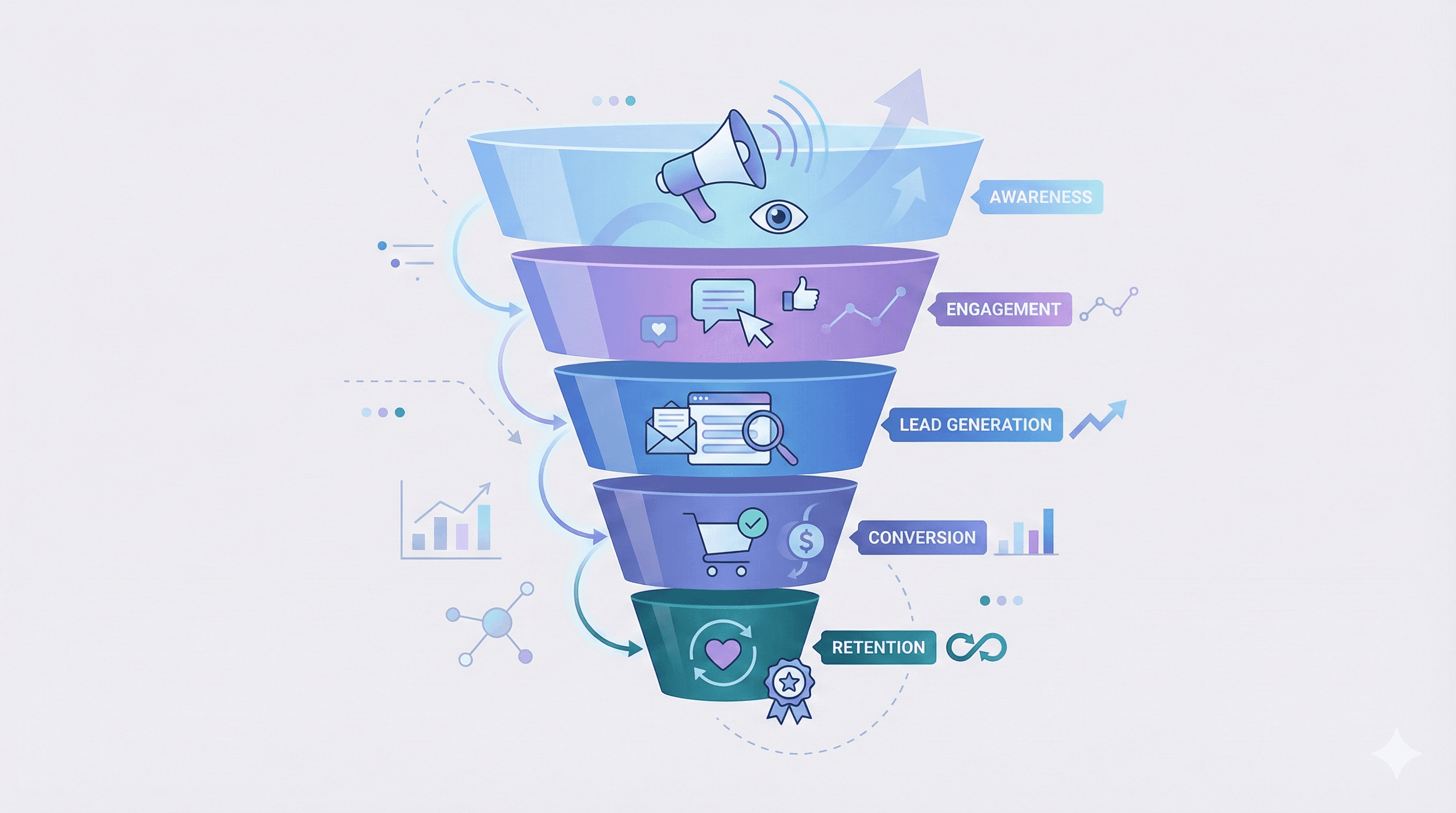
A campaign objective is the specific, measurable result a marketing campaign is designed to achieve. Unlike broad business goals (“grow brand visibility”), objectives are precise targets you can plan for, measure, and optimize against. They serve as the foundation of any successful campaign — giving direction, focus, and accountability.
What are Campaign Objectives?
This might be increasing website traffic, generating leads, boosting purchases, or improving brand engagement. Objectives aren’t just lofty ideals — they are the measurable outcomes that connect marketing work with business performance.
In practical terms, campaign objectives answer the question:
– “What exact outcome are we trying to accomplish with this campaign?“
In practice, marketers distinguish objectives from goals like this:
- Goals are broad aspirations — “Improve brand reach.”
- Objectives are specific outcomes — “Increase organic search visitors by 25% in 90 days.”
Types of Campaign Objectives
Knowing the types of objectives helps structure your campaign properly and choose the right tactics to hit them.
1. Awareness and Reach
What they aim to do:
Awareness objectives help your brand get seen — they’re all about visibility, not immediate conversion.
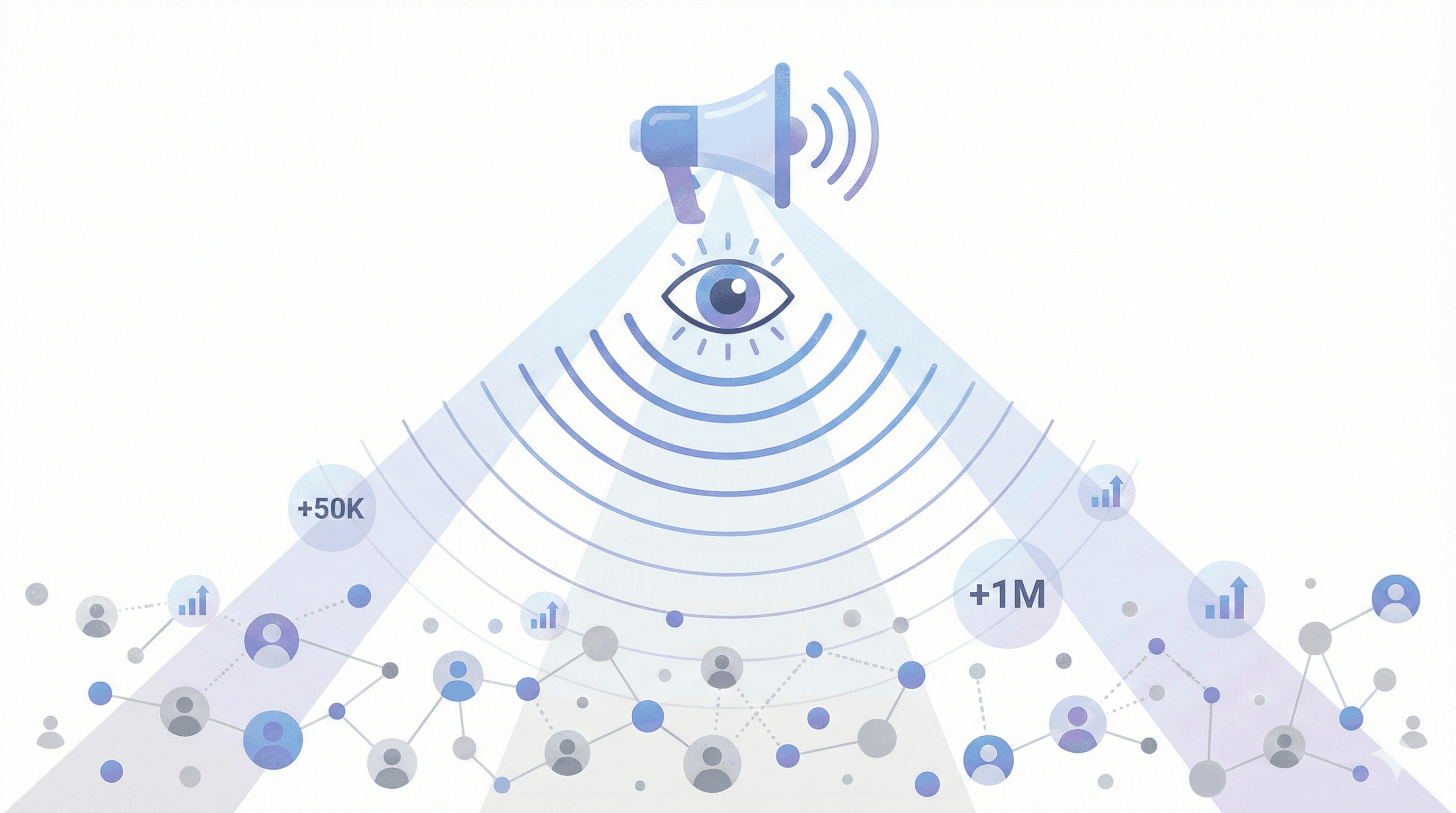
Typical results marketers measure:
- Brand visibility
- Audience reach
- Impressions
These objectives focus on putting your message in front of as many relevant eyes as possible to build recognition and recall. This is one of the earliest stages in the buyer journey — before someone even starts considering your product or service.
Example KPIs
- Unique audience reach
- Total impressions
- Brand recall lift
2. Engagement
What they aim to do:
Once someone knows about you, engagement objectives help them interact with your content.
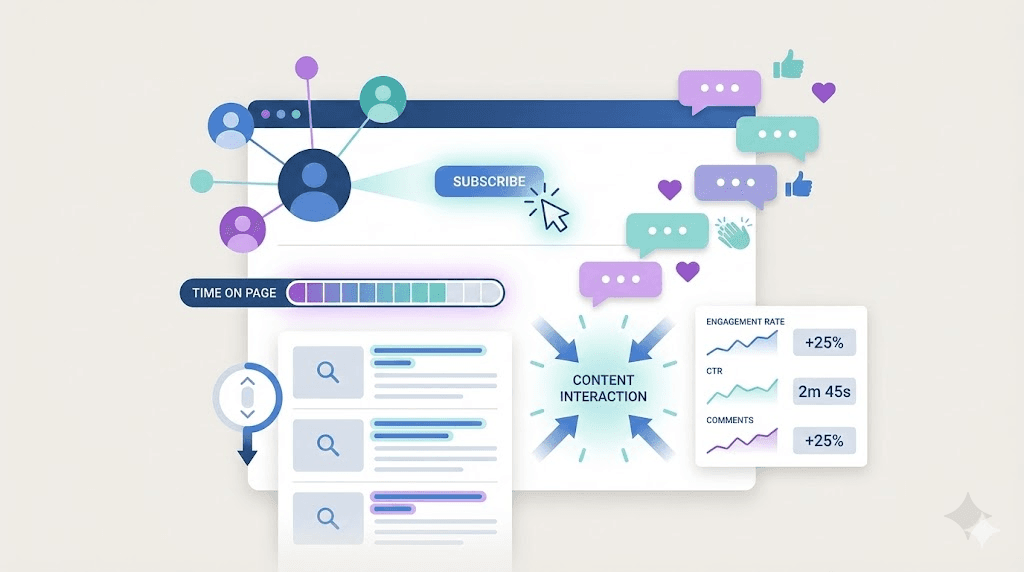
Can include:
- Click-through rates (CTR)
- Social interactions (likes, comments, shares)
- Page engagement
- Time spent on site
Engagement signals interest — it indicates someone is mentally “in the funnel” and willing to engage deeper.
Example KPIs
- Boost average page engagement time by 15% in 30 days
- Increase interactive content completion (e.g., quiz completions) by 20%
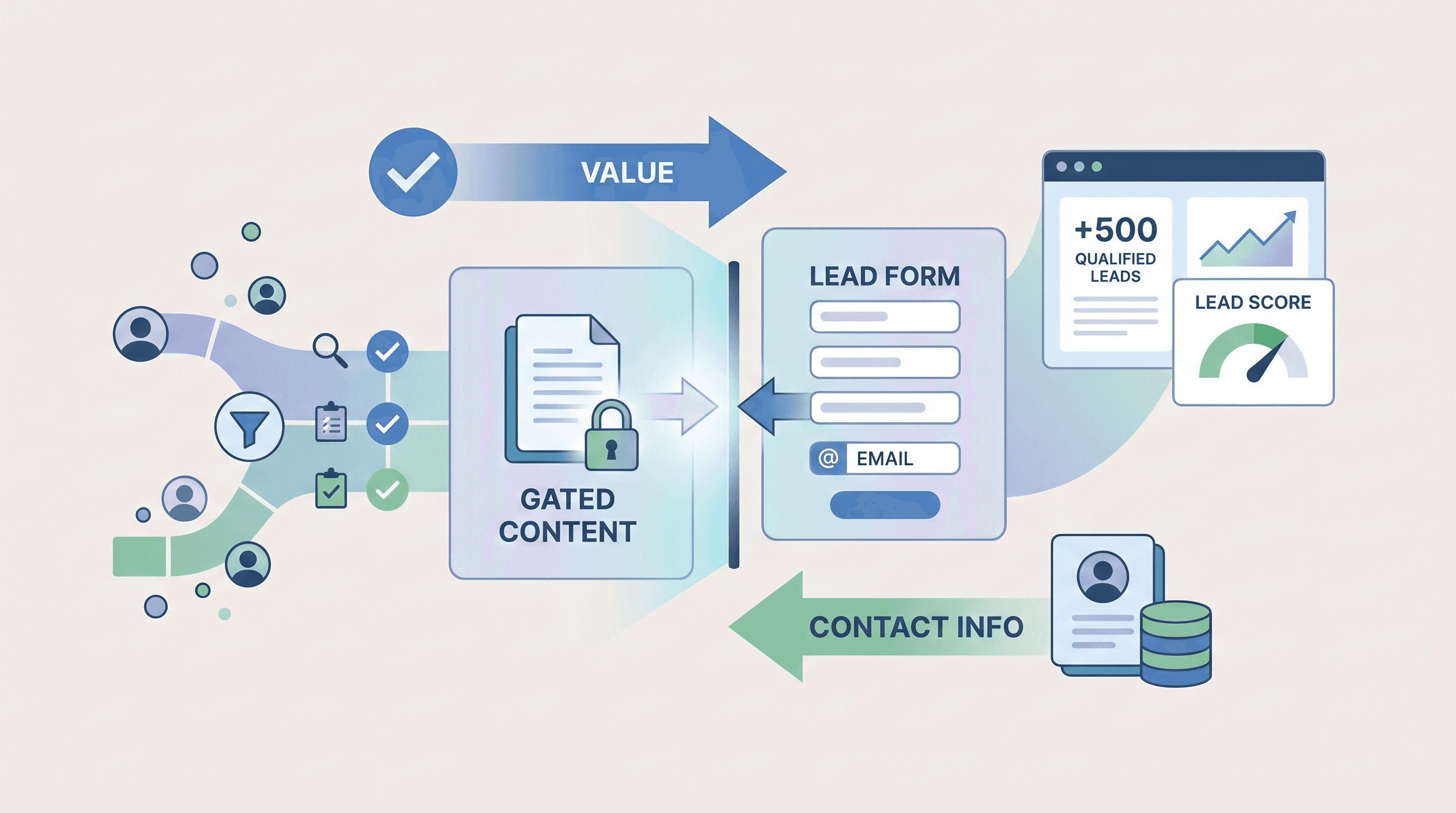
3. Lead Generation
What they aim to do:
Turn engaged users into prospects with contact information.
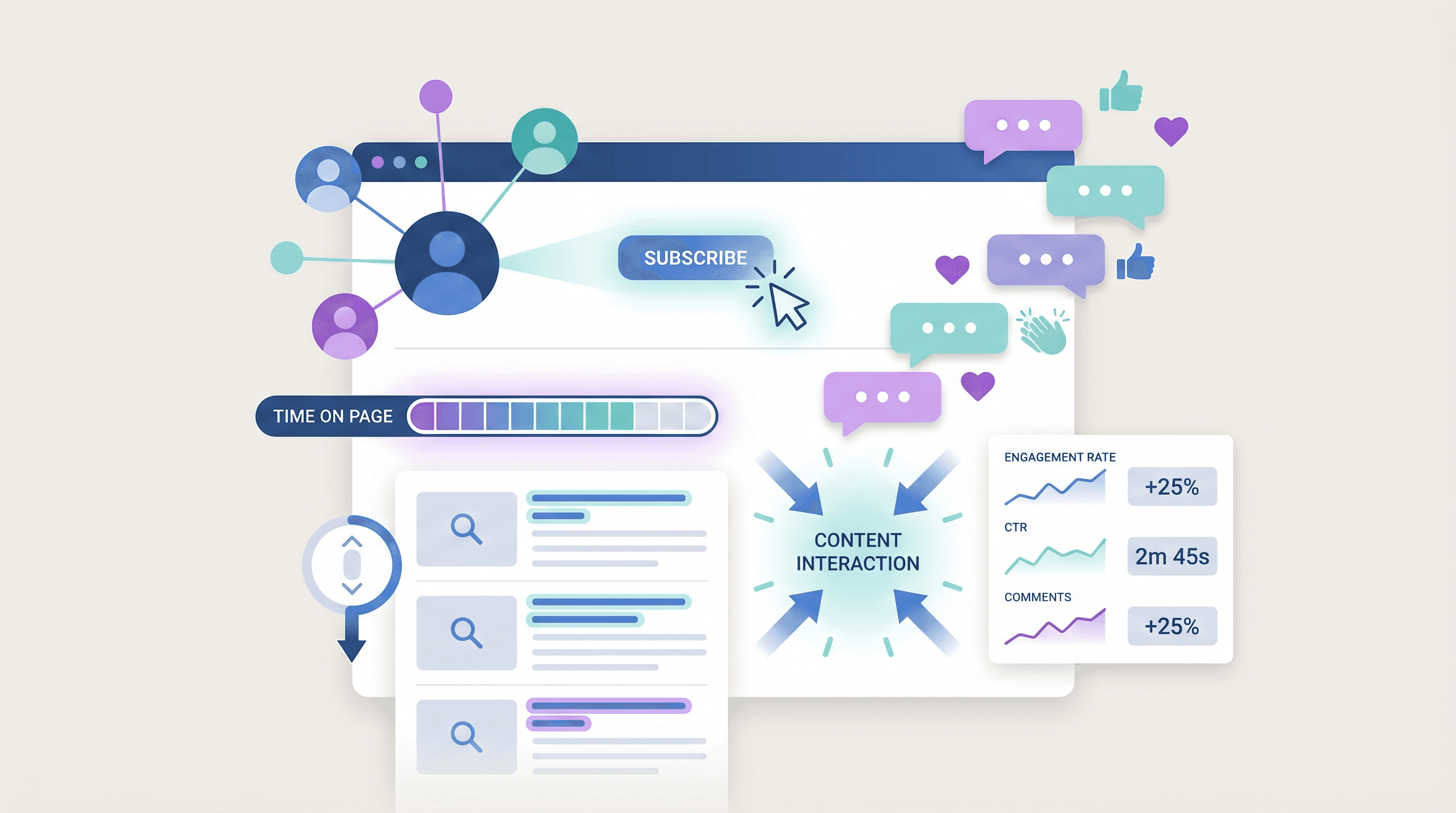
This is a critical step for many B2B and high-touch B2C businesses. Leads are the lifeblood of sales and nurture campaigns — the first step in structured revenue pipelines.
Typical activities:
- Form submissions
- Webinar sign ups
- Gated content downloads
Example KPIs:
- Acquire 500 new qualified leads in 60 days
- Increase email subscribers by 30% in a quarter
4. Conversion and Sales
What they aim to do:
The moment a prospect takes a business-valuable action — sign-ups, trials, bookings, purchases, etc. This is where many campaigns measure ROI and business impact directly.
Common outcomes:
- Purchase
- Free trial starts
- App installs
- Completed registrations
At the conversion stage, campaigns are built to eliminate friction and make the desired action as simple and compelling as possible.
Example KPIs:
- Increase online sales revenue by 15% in 90 days
This stage is deeply tied to tactics like optimized landing pages, checkout process improvements, and conversion rate optimization (CRO).
5. Retention and Loyalty
What they aim to do:
Rather than acquiring new customers, these objectives focus on keeping existing users engaged — repeat purchases, renewals, and long-term value.
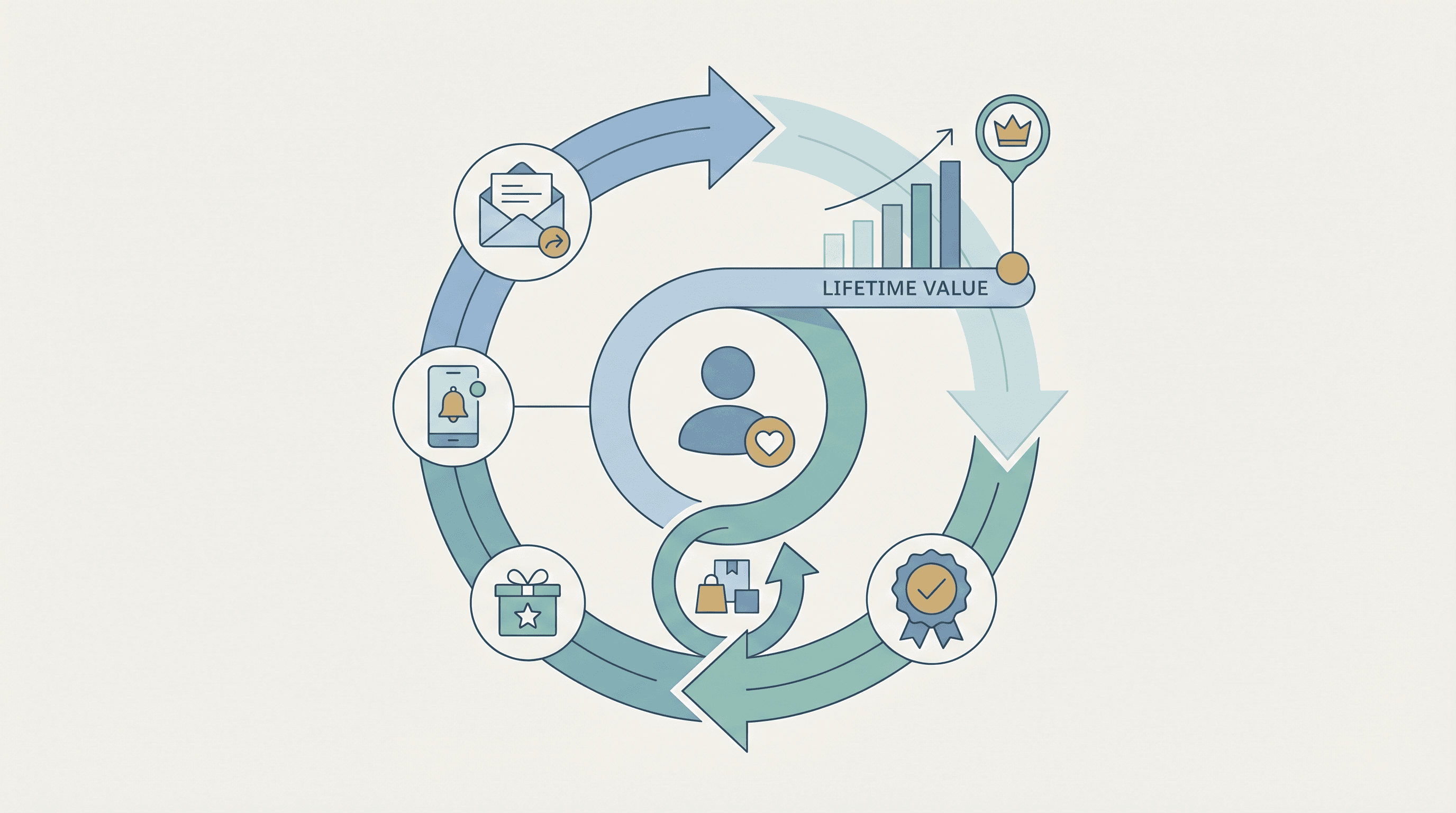
Key metrics:
- Repeat purchase rate
- Customer lifetime value (CLV)
- Customer loyalty program engagement
Retention activities include loyalty emails, personalized offers, and user experience improvements.
Why this matters:
It’s often less expensive to retain customers than acquire new ones, and loyal customers tend to spend more over time.
6. Specialized (optional)
Some campaigns don’t fit squarely into the above categories — and that’s okay.
These might include:
- Product launches
- Seasonal campaigns
- Event-driven promotions
- Rebranding campaigns
- Test market pilots
These objectives still align with core goals (awareness, conversion, etc.) but are tailored for special cases or specific timelines.
How to Choose the Right Objective for Your Campaign
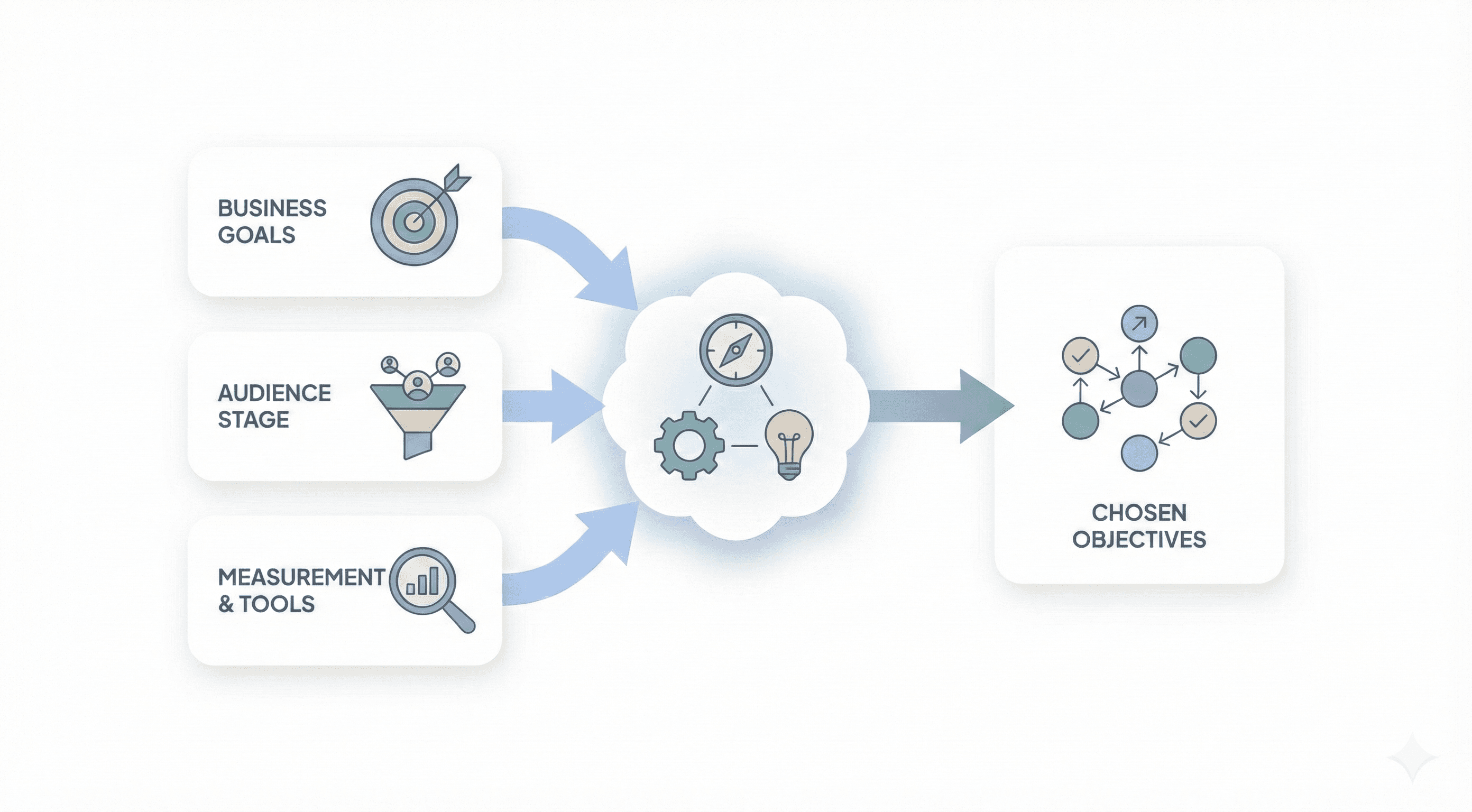
Choosing the right objective isn’t random — it should be anchored in strategy.
Here’s a simple process:
1. Start With Your Business Goal
Ask yourself:
- “Are you trying to grow or protect?“
- “Do you need awareness, lead generation, sales, or retention?“
Your answer determines which objective category to prioritize.
2. Know Your Audience and Where They Are in the Funnel
Most audiences are at different stages of the buyer journey:
- New prospects → Awareness
- Prospects who know you → Engagement/Lead Gen
- Ready to buy → Conversion
Understanding this helps you align your marketing campaign objectives so people get the right message at the right time.
3. Consider Measurement and Tools
A campaign without measurement isn’t truly objective-driven. Ask:
- What platforms track the outcomes?
- What analytics or pixels do we need?
- Which KPIs are meaningful indicators?
SMART Objective Checklist
A widely used framework for objective writing is SMART:
- Specific — What exactly will we accomplish?
- Measurable — Can we quantify success?
- Achievable — Is it realistic with our resources?
- Relevant — Does it support the business strategy?
- Time-bound — What’s the deadline?
Why You Should Separate Campaigns With Different Objectives
Mixing objectives in one campaign often blurs measurement and reduces clarity. When campaigns are focused on one type of objective, they:
- Deliver clearer results
- Allow for better budget allocation
- Simplify message tailoring to audiences
For example, awareness messaging shouldn’t be measured on conversion results — they are designed for different parts of the funnel.
Segregating campaigns by objective improves efficiency and helps teams make data-driven decisions rather than guessing performance.
Optimized Messaging and Creative
Not all messaging suits every objective.
Awareness campaigns need broader, memorable messaging.
Conversion campaigns need specific calls to action and persuasive prompts
Blending these in one campaign often dilutes both. Tailoring messaging by objective improves relevance and impact — critical for driving real outcomes.
Better Budget Allocation
When objectives are clearly defined, budgets can be allocated strategically:
- Higher spend on objectives critical to growth (lead acquisition, revenue).
- Lower initial spend on experimental objectives.
- Budget reserved for testing
This approach minimizes waste and maximizes ROI.
Cleaner Data Reporting
Separate objectives yield cleaner performance data:
- Easier to interpret success
- Better attribution of results
- Clear insights for optimization
Many analytics platforms let you track performance by objective and funnel stage — and separating campaigns helps unlock those insights.
Platform Requirements and Machine Learning
Ad platforms like Meta and Google optimize delivery based on the campaign objective. They use machine learning to find the right users and serve the right ads — but only when the objective is clearly specified.
If an objective is poorly defined, algorithms can’t optimize effectively — resulting in wasted spend and lower performance.
Always match your campaign setup with your actual objective to harness platform optimization capabilities.
Conclusion
Campaign objectives are the backbone of effective marketing. When they are well-defined, measurable, and aligned with business strategy, they transform guesswork into data-driven execution. Whether your focus is awareness, engagement, lead generation, conversion, or retention, mastering objectives empowers you to build campaigns that deliver real business impact.
- Campaign Objectives
- Awareness and Reach
- Engagement
- Lead Generation
- Conversion and Sales
- Retention and Loyalty
- SMART Goals